

Modular Buildings Containers
Modular building containers are designed for each project to meet its unique requirements. They can be constructed in a factory, then delivered to the construction site ready to be installed. This cuts down on the time required to finish the building and reduces waste.
They can be used to build many other structures, including offices and hospital. They have been successfully utilized to solve a number of problems, such as housing shortages during pandemics.
Cost-Effectiveness
Modular buildings are an affordable solution for a variety of business requirements. The buildings are constructed off-site, then assembled on site and save money on labor costs. Modular construction helps companies reduce costs by reducing waste. It also reduces the number of construction workers needed on the jobsite and allows for quicker completion of a project.
Modular construction is more secure and more efficient than traditional methods. It also reduces delays due to weather and other causes. Additionally, it reduces the chance of mechanic's liens, which could be a result of a contractor having not received a payment for their services. This helps companies to obtain financing, and helps them meet their deadlines faster.
Shipping containers are among the most well-known building blocks for modular structures. They are available in a range of sizes and are modified to meet the specific requirements of each project. They can be equipped with windows, HVAC units, and insulation which makes them suitable for homes as well as offices. They are extremely transportable and make them an ideal choice for projects that require frequent moving.
Modular containers for building can be used in any climate. The manufacturing process ensures that the building is well-insulated and built with structural strength to be able to handle harsh conditions. This means that the building is more able to withstand extreme cold and heat and will be more resistant to fire.
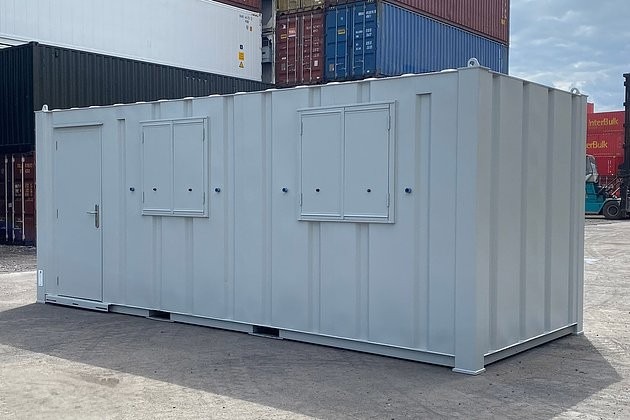
Modifying shipping containers is an environmentally friendly alternative than traditional construction. The materials used in the process of modification are reused and recycled thus reducing the need for new resources. This practice also minimizes waste and is in accordance with corporate social responsibility (CSR) and sustainability goals.
One challenge of using modular buildings is the lack of consistency among manufacturers. Because these structures are constructed to specifications, it is essential for buyers to perform thorough research prior to committing to the vendor. This will help buyers avoid problems such as poor workmanship and defective design. Additionally, it is important to keep in touch with the manufacturer throughout the process. This will ensure that all parties are aware of the schedule and can alter it if needed.
Flexibility
Modular construction has become an alternative to traditional building techniques and is becoming a popular choice for many companies. It is able to reduce the time it takes to construct and also allow for a quicker turnaround than traditional methods. It is also environmentally green, by using recycled materials and eliminating the production of waste. This technique is especially useful to move equipment or employees around a site. It can be used in various ways.
Containerized modular buildings are constructed from shipping containers that are joined horizontally or vertically. They can be used as offices, clinics, dormitories and more. Containers can be designed to meet your needs, and delivered to the construction site. These structures are simple to build and designed to withstand the harshest conditions. They are also simple to relocate and reuse, thus reducing the need for additional construction on the site.
Modular construction of shipping containers is a rising trend in the construction industry, offering cost-effectiveness, sustainability and flexibility. Numerous companies are employing this method to build everything from food trucks to office buildings. This technique is relatively new and requires careful planning. The most difficult part is to ensure that the design meets the required specifications and is solid in structure.
Chemical Storage Containers permits a quicker turnaround and is less disruptive than traditional construction methods. The modules are shipped flatpack or in profiles from the factory to construction sites and assembled on site by experienced technicians. This method of construction can also help to reduce the necessity for excavation and foundation work and allows construction to move with greater speed.
A shipping container can be converted into an office modularized by adding insulation, windows and HVAC units. The result is a cozy and practical workspace, with plenty of airflow and light. The container can also be powder-coated in corporate colors to create an attractive and striking exterior. This will help brand the building and draw customers. Shipping containers are versatile and can be used to create exhibition booths, pop-up retail stores or offices.
Durability
The modular building containers are a great option for housing and offices due to of their strength. They are built to withstand multiple assembly and relocations, and can be used in harsh conditions with seismic activity or high winds. They are also resistant to flooding and can be raised on concrete foundations or stilts to stop damage from water. They are also extremely customizable, with a variety of windows, doors, and insulation options.
These structures are also easy to maintain and clean. Modular construction is faster than traditional methods and prefabrication is done in a controlled atmosphere. Since they don't have roof shingles, there are no worries about termite infestations or other bugs. Steel construction makes them more durable than traditional structures.
Modular shipping containers are becoming a popular choice for construction due to their low cost and durability. They can be used for office spaces, living areas as well as mobile schools. They can be joined to form large structures or used as individual units. Since they are constructed from prefabricated elements, modular buildings can be customized to meet specific requirements.
Modular construction has many advantages in terms of cost and schedule savings. It also improves the safety of workers and improves working conditions. They're also great for remote areas where it is difficult to find traditional builders and materials. Modular construction isn't without its drawbacks. It may not be suitable for certain projects, such as commercial and residential construction.
Furthermore, some companies offering modular construction services could offer inferior-quality components that degrade quickly. It is crucial to select a business that makes use of high-quality materials and has years of experience in the field. This will ensure that the modular building is of the highest quality and has a long lifespan.
Modular construction made of shipping containers is a novel approach to building. By converting used shipping containers into office space businesses can save costs and gain an advantage in the market. Despite these challenges modular construction has received significant support from engineers and architects.
Sustainability
Modular structures are environmentally friendly and show how intelligent design can help global efforts to protect the environment. They use prefabricated parts and build in factories, which reduces waste, conserves energy, and speeds up the construction process. The modular construction method is also flexible and affordable, making it ideal for different needs.
Modular construction consists of the assembling of shipping containers that are standard to build kindergartens, office buildings schools, and other facilities. The design of the building is based on the needs of the customer's requirements and incorporates windows and partition walls as well as plumbing and electrical components. The modules are brought to the site of construction in flatpacks or profiles, and then assembled by skilled technicians. Construction Containers are then joined together on site, and completed with walls, ceilings, and flooring.
The main benefit of modular structures is that the majority of work is performed in a factory, which means there is no need to employ expensive construction workers and large equipment to complete the task. This means that construction can be performed in a controlled setting and with minimal disruption to the surrounding landscape.
Modular structures can also be eco-friendly by making use of recycled materials like wood, steel and shipping containers. These containers would normally be discarded at ports, but by being transformed into modular buildings, they can help the environment.
The reduction of carbon dioxide emissions is one of the most important aspects to sustainability. Traditional construction uses many large machines and creates many waste products, which contributes to the global carbon footprint. Modular buildings, on contrary, are typically built in factories, and the entire manufacturing process produces much less carbon dioxide than traditional construction methods.
Modular construction is a great option for companies who want to expand their offices or relocate their offices. Modular construction is very flexible, and can be modified or reconfigured easily. It is also possible to move structures without the need to tear them down them, which greatly reduces the need for raw materials. It is also simple to alter the function of a modular structure by merely adding or removing standard components. This can help businesses reduce their energy usage and could even be a prerequisite for LEED certification.